

The Mechanical Basics Practice Exercises Bundle is a comprehensive collection of 40+ beginner-friendly mechanical part drawings designed to help students, engineers, and self-learners strengthen their 3D modeling skills and build a strong design portfolio. This bundle includes a wide variety of hands-on CAD exercises.
This bundle is ideal for anyone who wants to practice modeling using any CAD software of their choice, including SOLIDWORKS, Fusion 360, Creo, FreeCAD, CATIA, Inventor, or Onshape. These real-world practice exercises challenge users to analyze the provided technical drawings and then create the 3D models using the tools and features of their preferred CAD platform. This approach helps learners enhance their design skills, build confidence, sharpen problem-solving abilities, and take their CAD expertise to the next level. Enroll now and start building stronger CAD skills today with confidence.
Lifetime access to exercises.
Includes all future updates and new exercises
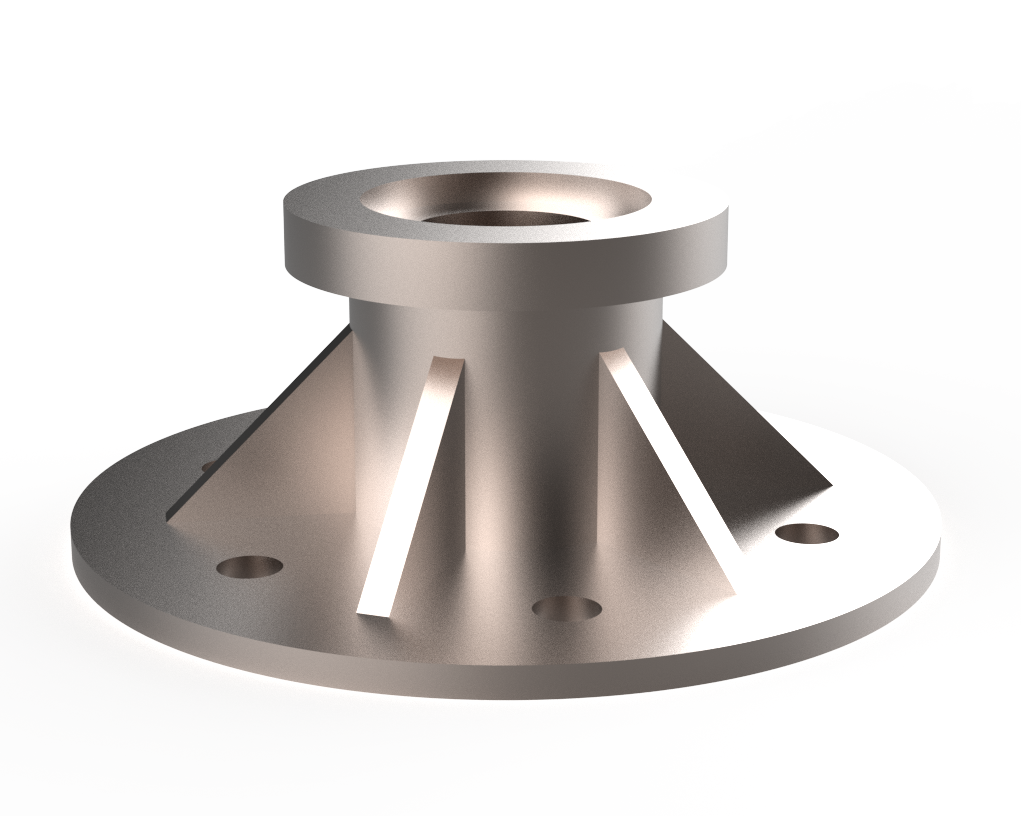
Create a Flanged Mounting Hub using basic 3D modeling techniques. This exercise focuses on extrude, revolve, fillet, and hole features while practicing dimensioning and geometric constraints. By completing this part, you will gain experience in designing a common mechanical component used for mounting shafts and connecting assemblies.
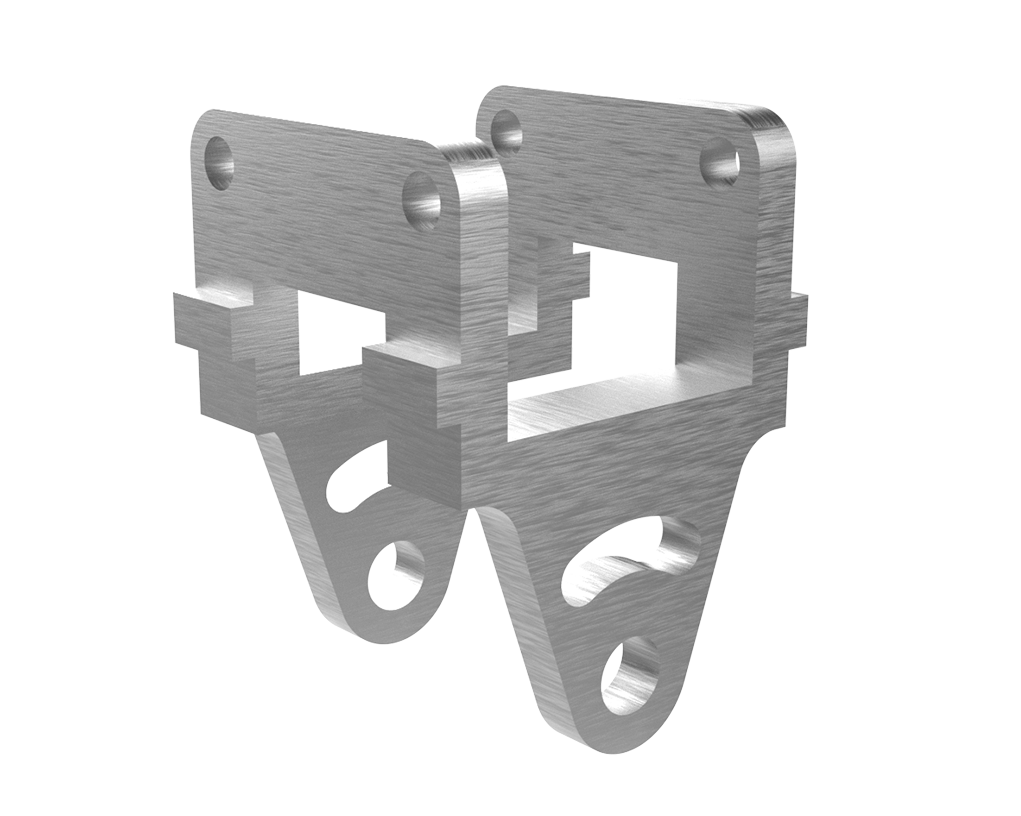
Design a Shaft Support Bracket to practice fundamental 3D modeling skills. This exercise emphasizes extrusions, cutouts, fillets, and holes, helping you understand how brackets are designed to support rotating shafts in mechanical assemblies.
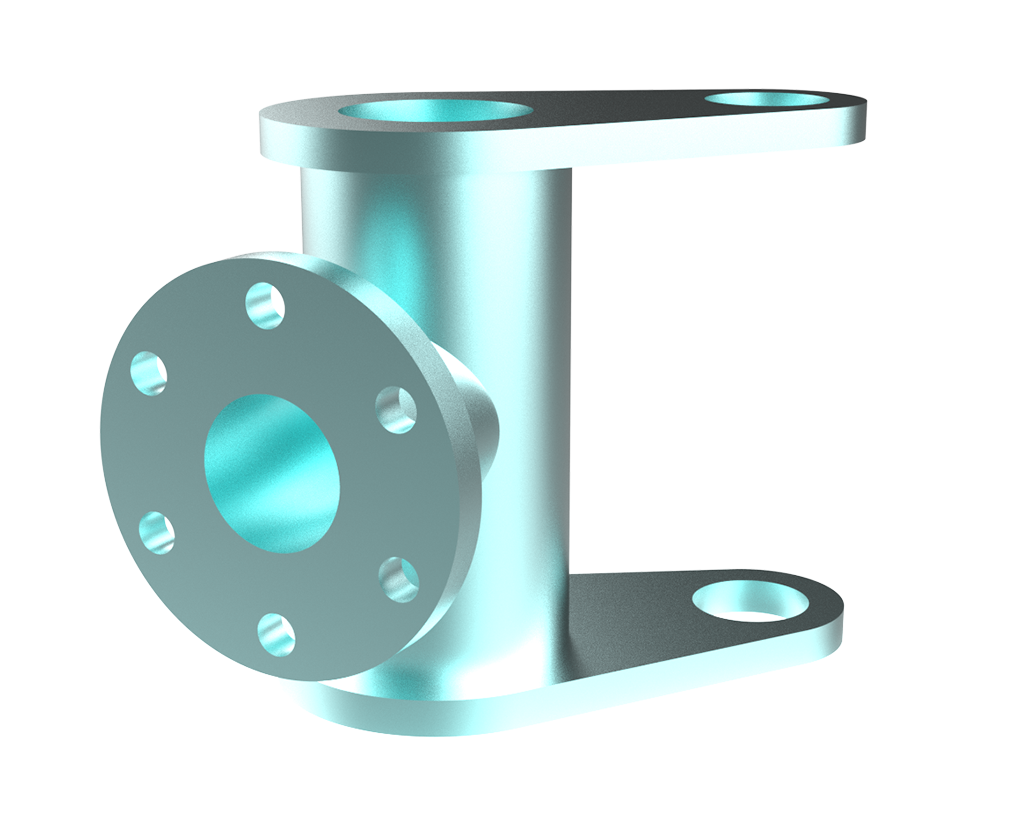
Design a Flanged Yoke Mount to practice creating parts with combined flanges, cylindrical bosses, and cutouts. This exercise helps you understand how to model components used to connect shafts or rods in assemblies while maintaining structural strength.
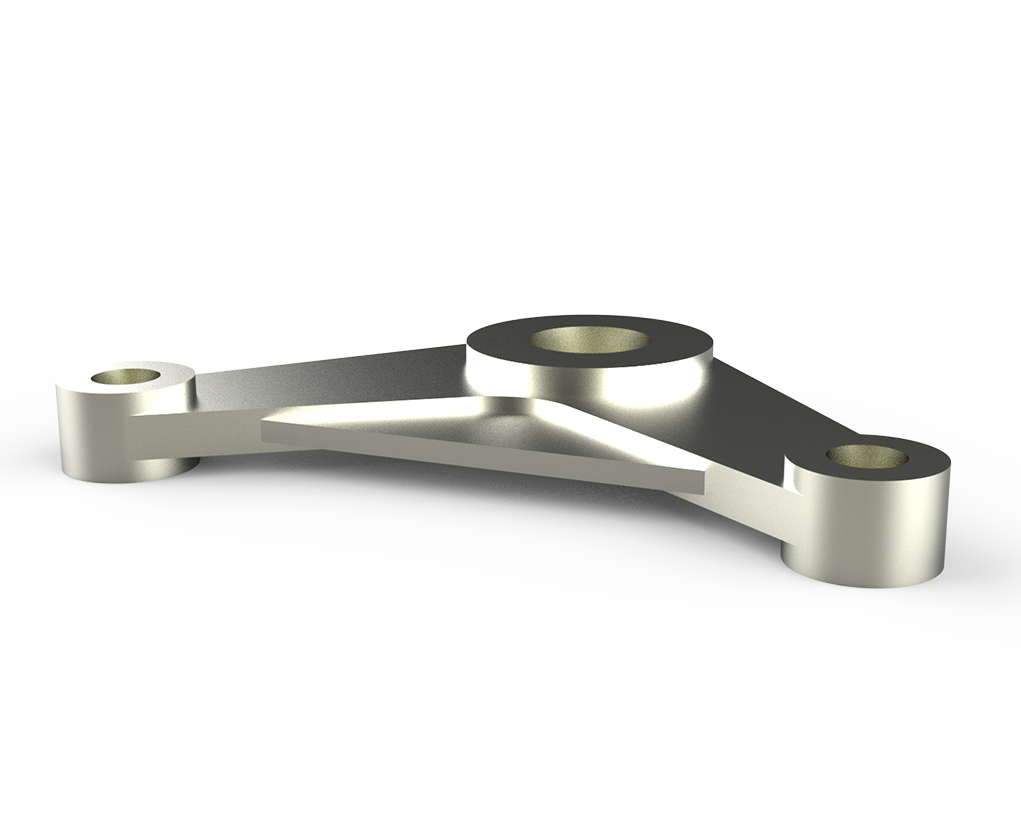
Create a Triangular Mounting Bracket to practice designing structural support components. This exercise focuses on extrusions, holes, fillets, and chamfers while emphasizing proper dimensioning and geometric alignment for assembly applications.
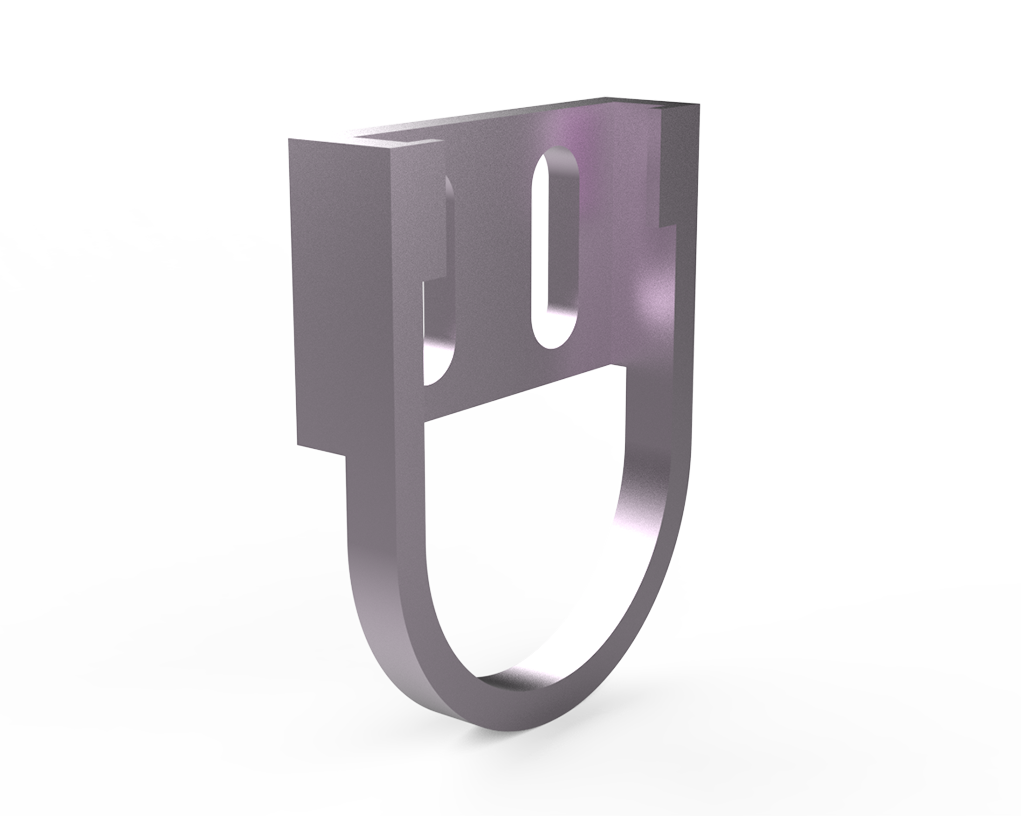
Design a Slotted Strap Clamp to learn how to model parts with slots, bends, and mounting holes. This exercise develops skills in extrude, cut, and fillet features and demonstrates practical design for securing shafts or pipes.
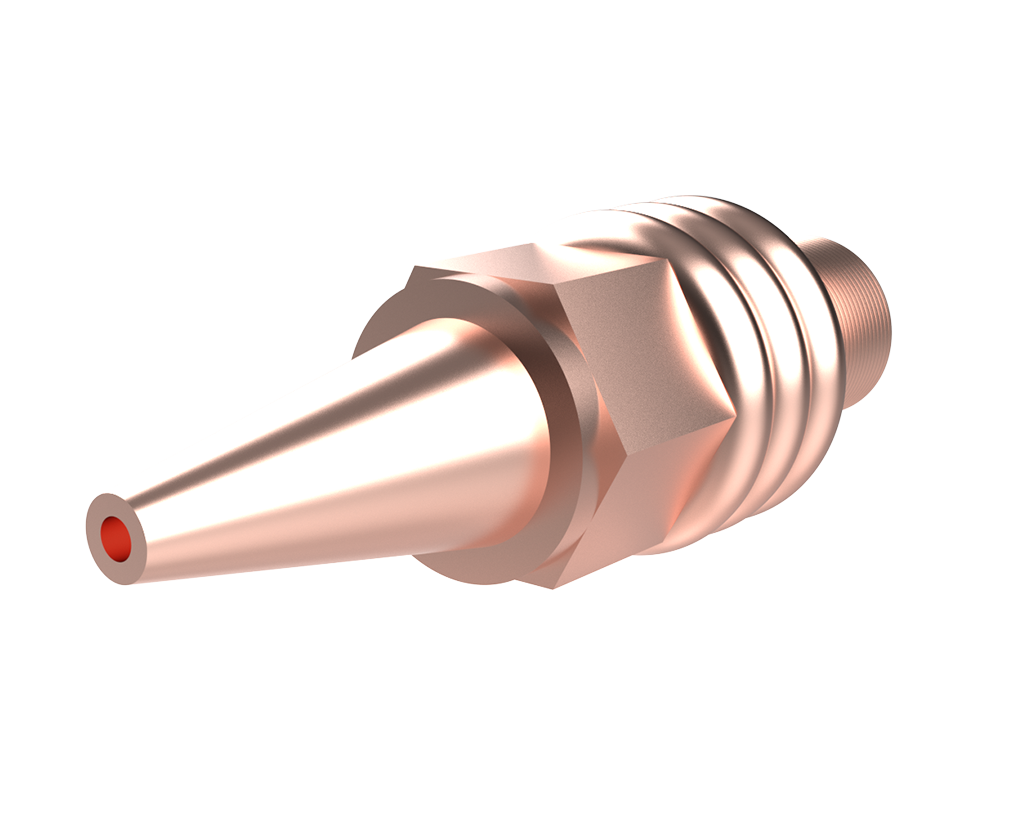
Model a Grease Gun Nozzle to practice creating complex cylindrical and tapered features. Focus on revolve, extrude, and cut operations while understanding how precision dimensions affect the functionality of fluid-handling components.
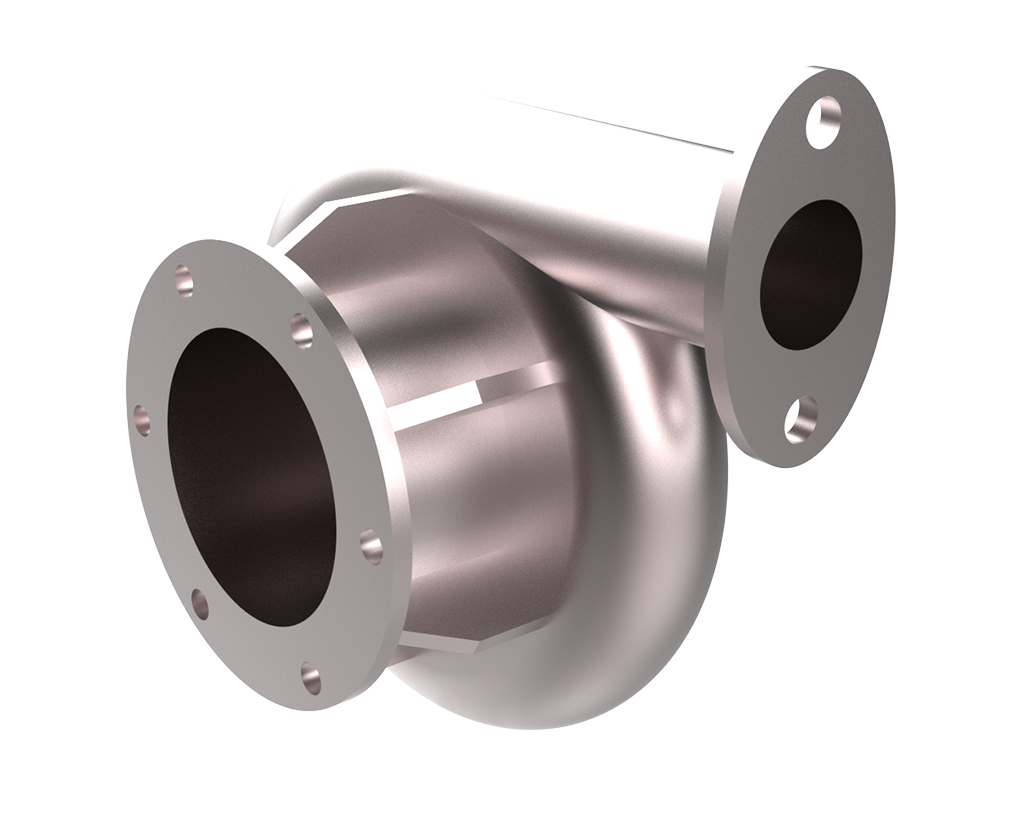
Design a Pump Casing to practice creating hollow enclosures and mounting interfaces. This exercise emphasizes shelling, extrude cuts, and fillets to simulate real-world mechanical housing design.
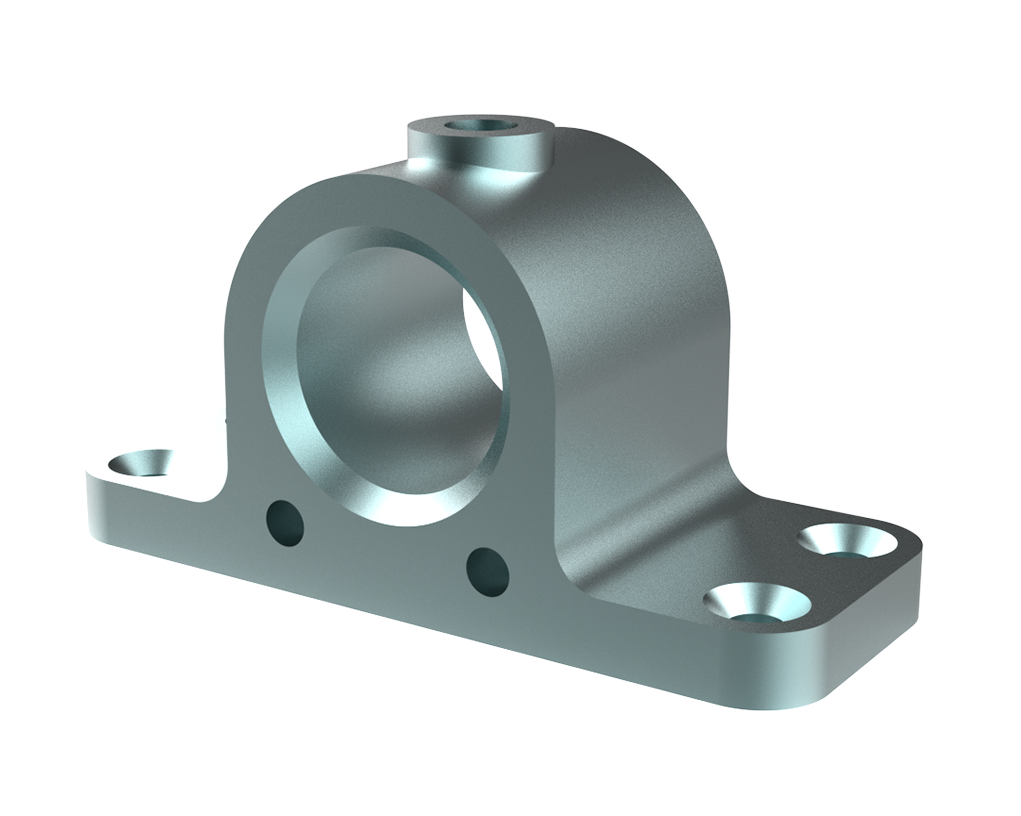
Create a Flanged Bearing Housing to learn how to model components that support rotating shafts with precision. Focus on extrusions, flange creation, holes, and chamfers to achieve a functional assembly-ready part.
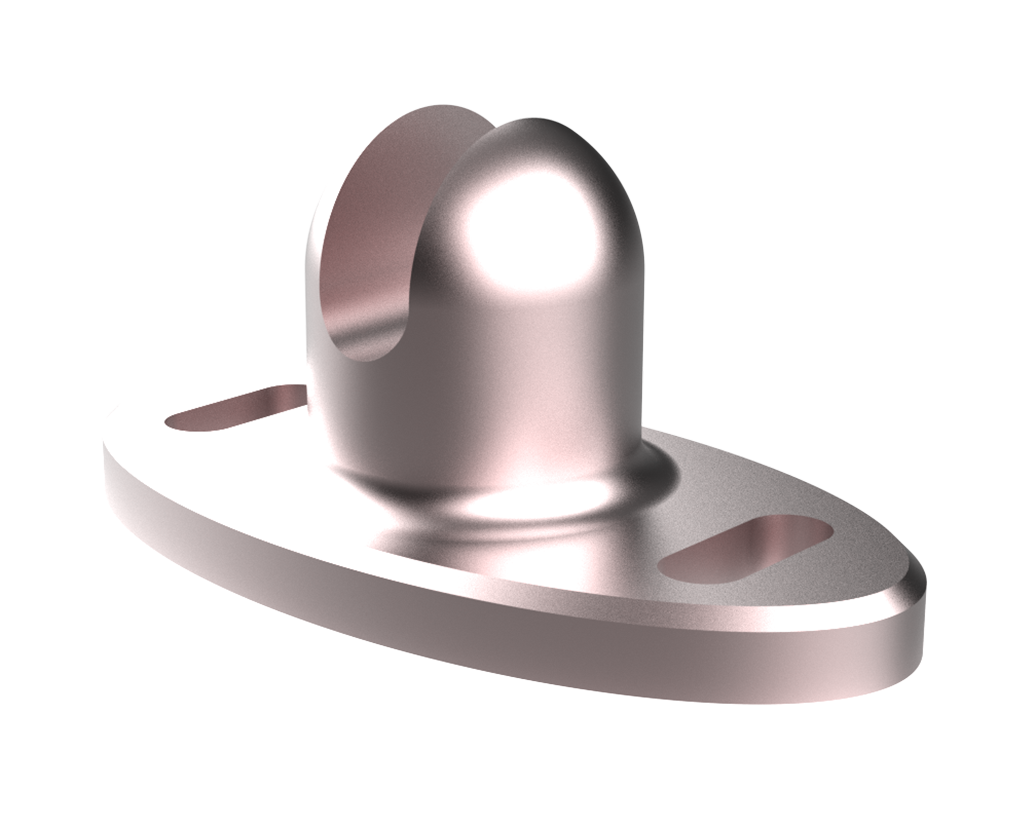
Design a Slotted Dome Cleat to practice creating curved surfaces, slots, and mounting features. This exercise reinforces skills in extrude, cut, and fillet tools for components used in securing and guiding applications.

Model a Pipe Saddle Bracket designed to support cylindrical pipes in mechanical and industrial installations. This exercise helps you practice creating curved profiles, extrusions, cutouts, fillets, and mounting holes, while developing a strong understanding of how support brackets are used in piping systems.
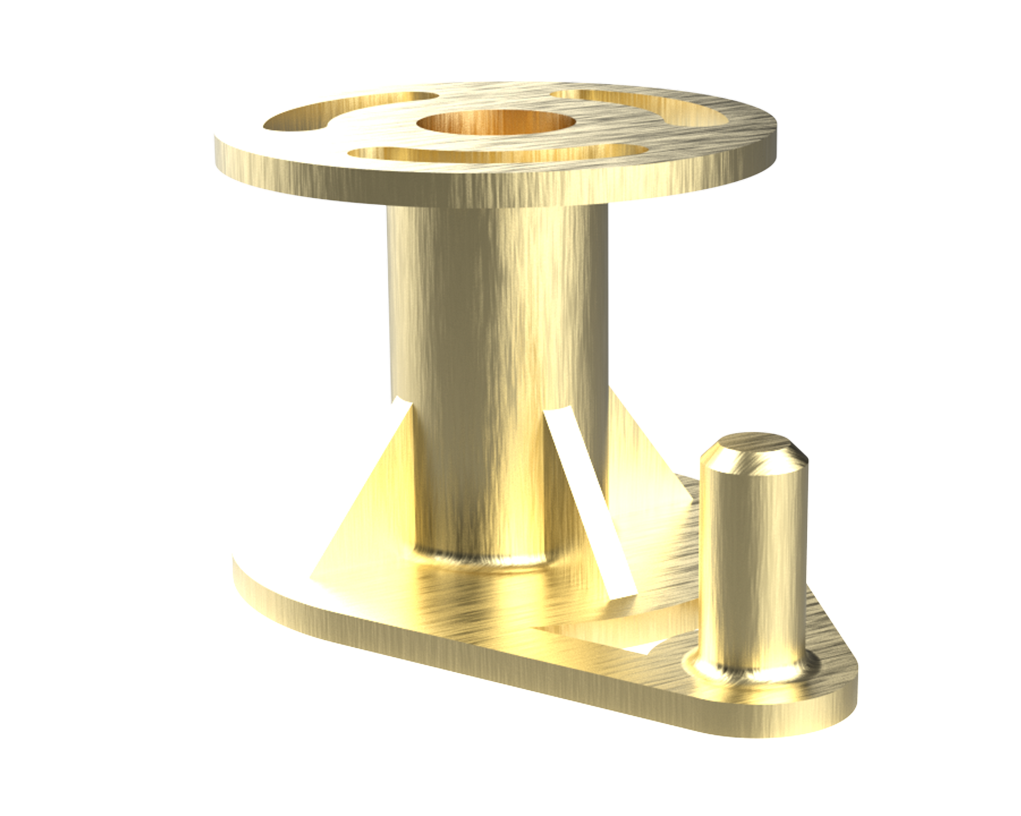
Design a Spool Holder Base to practice creating a stable support platform with mounting features. This exercise emphasizes extrusion, hole creation, and fillets for realistic, functional parts.
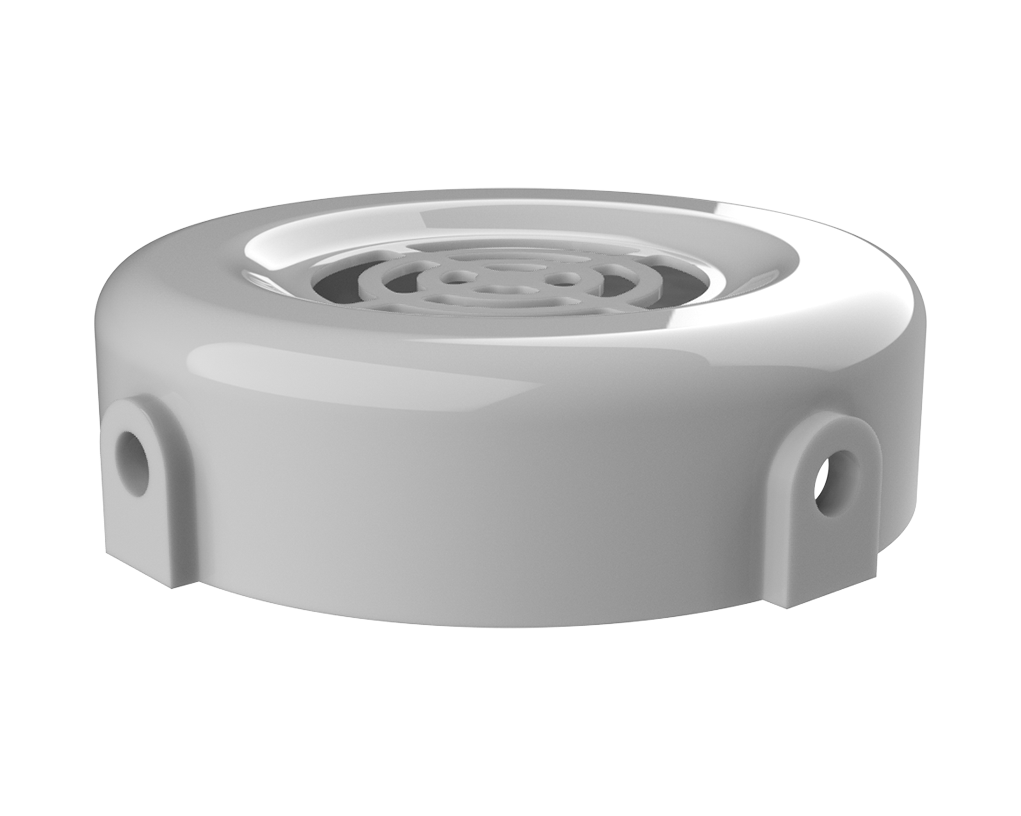
Design a Fan Guard Housing to practice modeling protective enclosures with circular and radial features. This exercise focuses on extrude, cut, pattern, and fillet operations, helping you understand how to create functional parts that ensure safety while maintaining airflow.
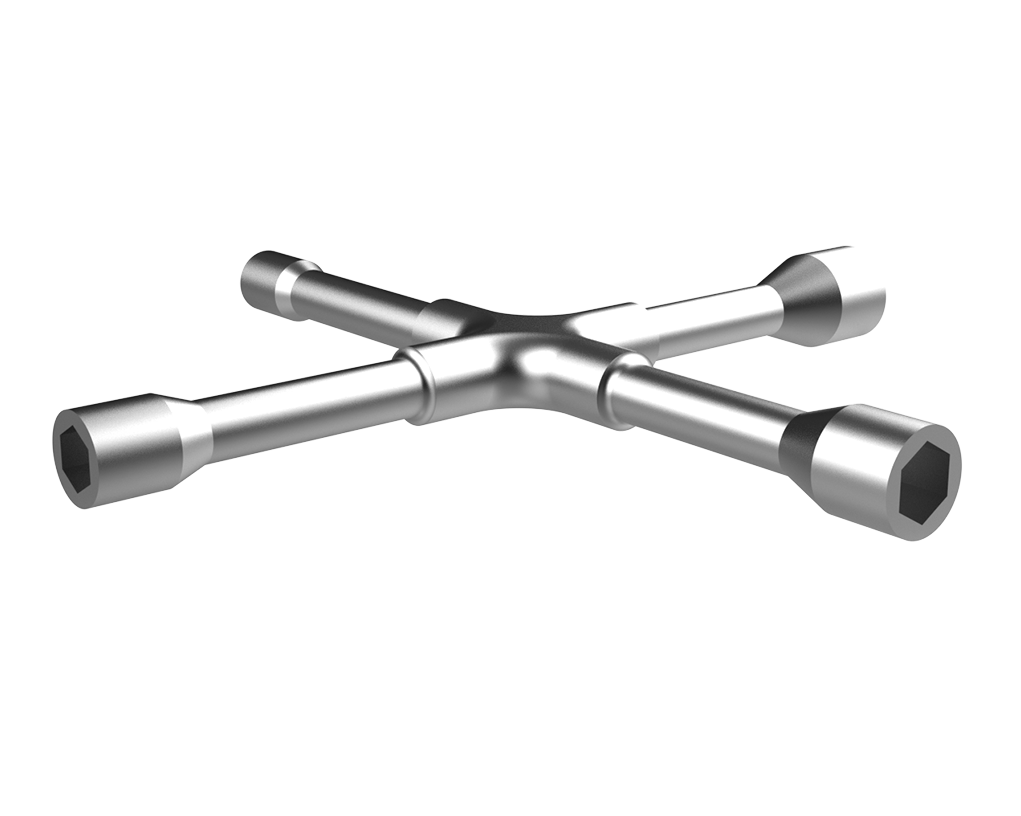
Create a Four-Way Wheel Spanner to practice modeling intersecting arms and symmetric features. This exercise emphasizes extrude, cut, fillet, and chamfer operations, helping you design a functional hand tool with accurate dimensions and ergonomic geometry.
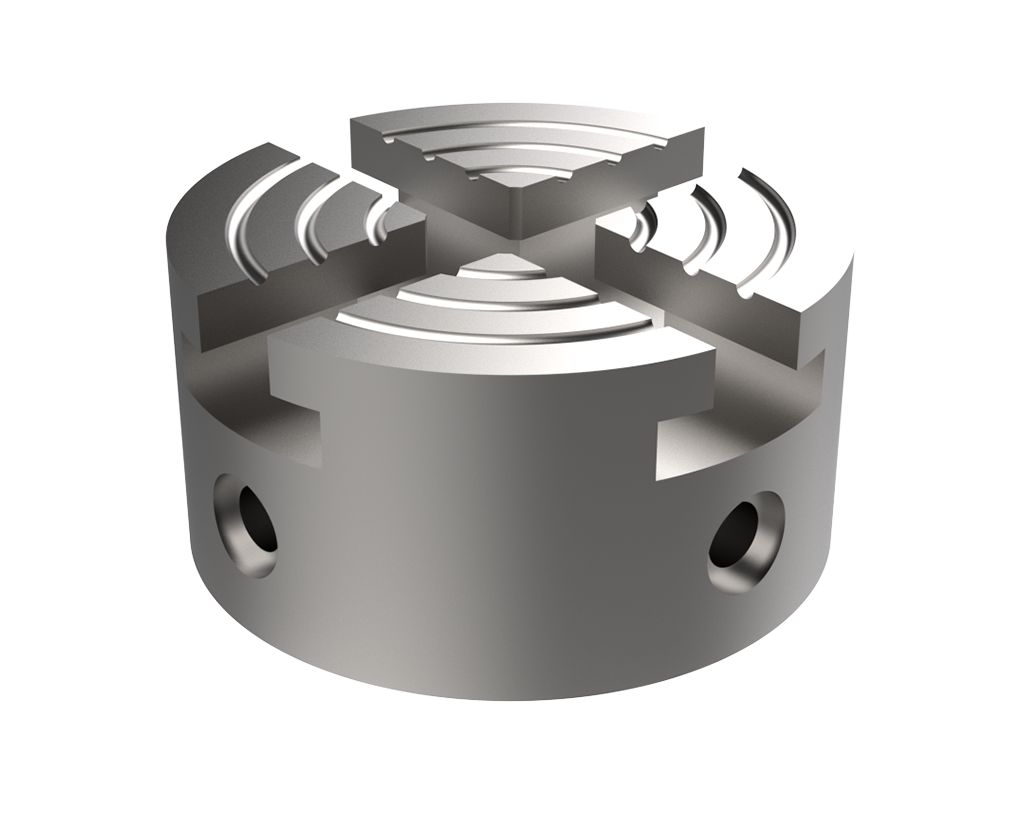
Design a Four-Jaw Independent Chuck to practice creating mechanical components with circular symmetry and movable parts. This exercise focuses on extrude, revolve, cut, and pattern features, helping you understand the modeling of precision parts used for holding and rotating workpieces in machining applications.
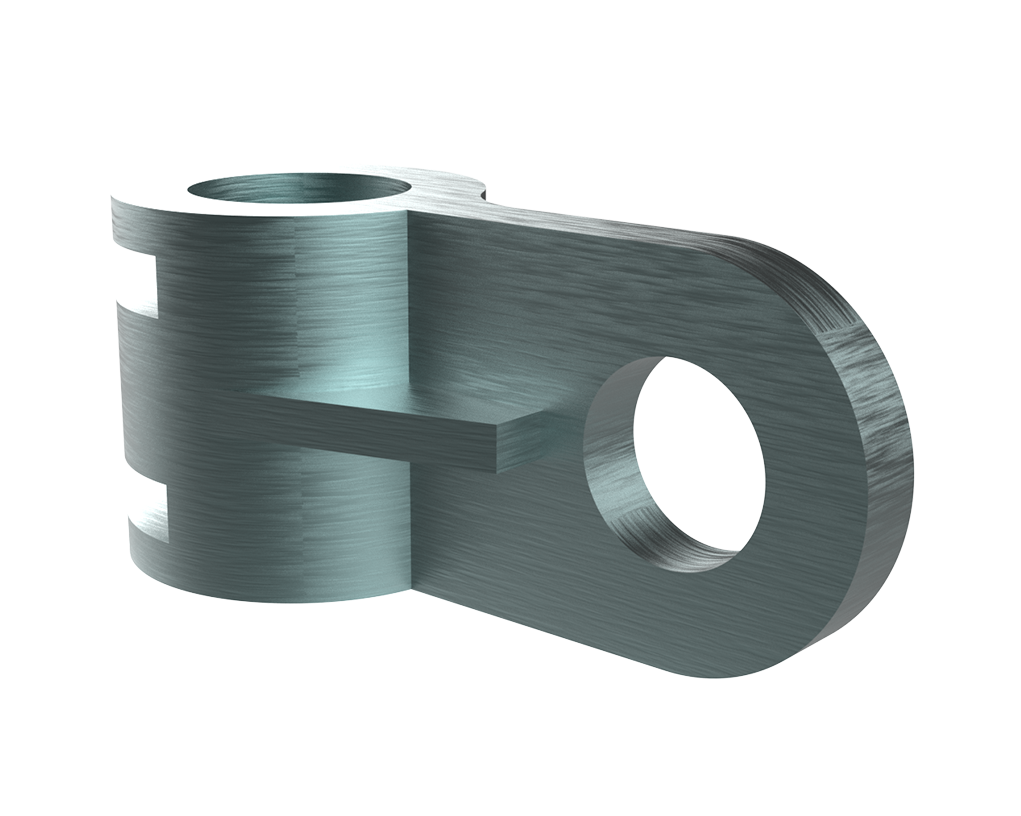
Model a Clevis Rod End to practice designing mechanical linkage components. This exercise emphasizes extrude, cut, fillet, and hole features, helping you create parts used in assemblies where rotational or pivoting motion is required.
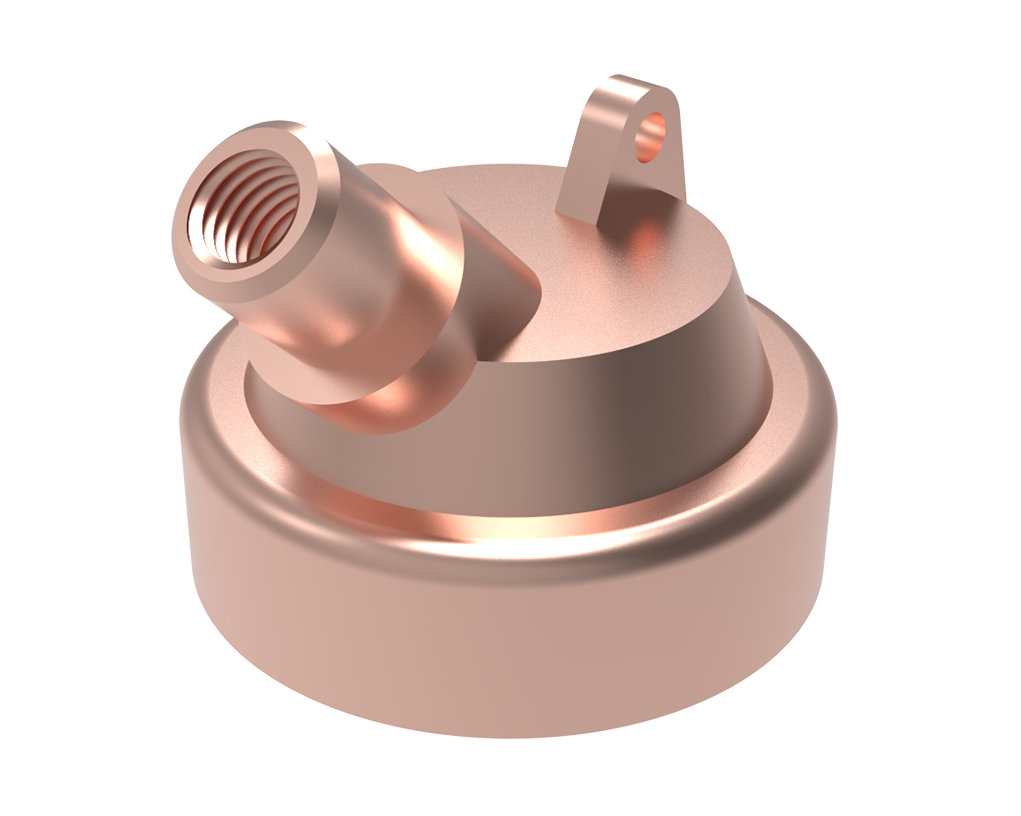
Design a Pump Housing Cover to practice creating enclosure components with mounting features. This exercise focuses on extrude, cut, fillet, and hole operations, helping you understand how to model parts that seal and protect internal mechanical assemblies.

Create a Lathe Driving Plate to practice modeling rotary mechanical components with mounting holes. This exercise emphasizes extrude, cut, fillet, and pattern features, helping you design parts that transfer motion and torque in machining assemblies.
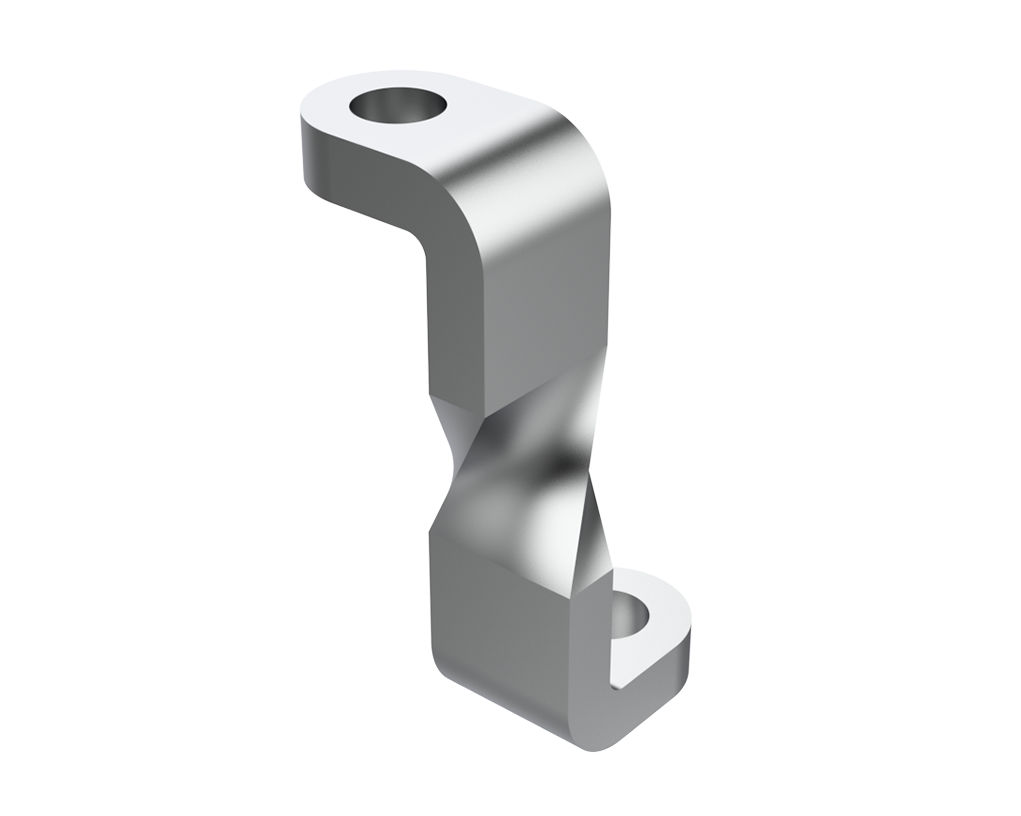
Design an Offset Mounting Bracket to practice creating structural support components with displaced mounting surfaces. This exercise focuses on extrude, cut, fillet, and hole features, helping you understand how to model parts that provide clearance and alignment in mechanical assemblies.
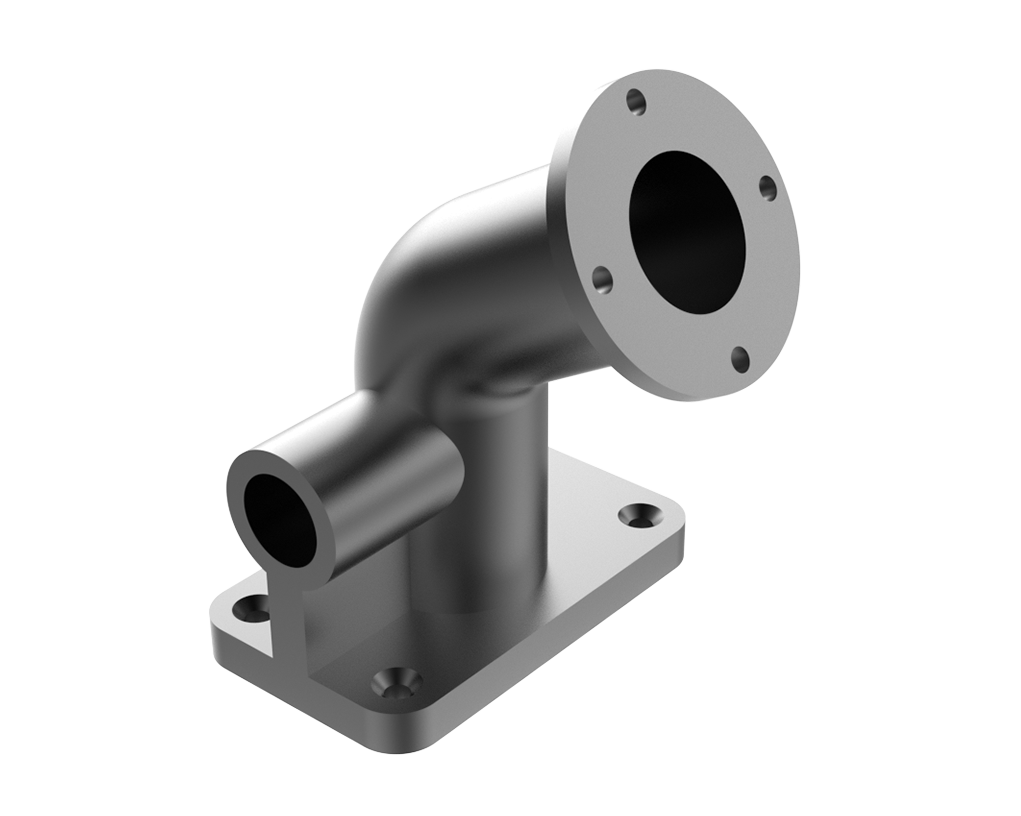
Model a Base-Mounted Flanged Elbow to practice designing pipe connection components with flanged interfaces. This exercise emphasizes extrude, revolve, cut, and hole features, helping you create parts that connect piping systems while providing secure mounting to a base.
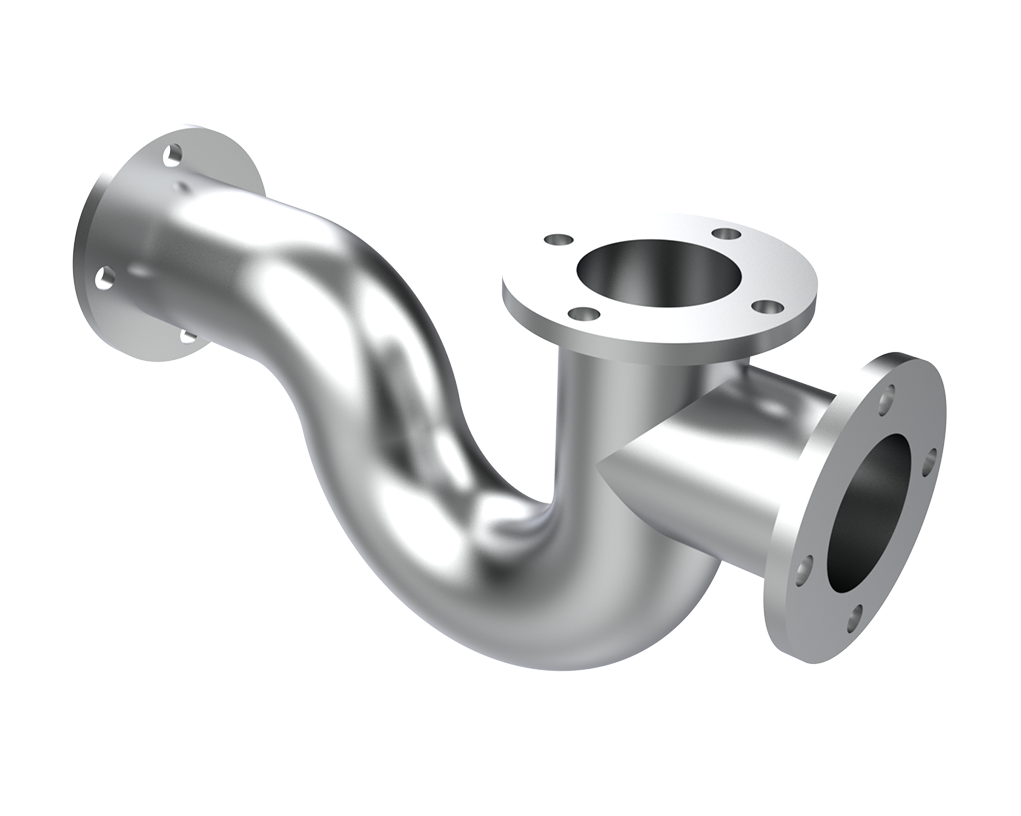
Design a Three-Way Flanged Pipe Fitting to practice modeling multi-branch piping components. This exercise focuses on extrude, revolve, cut, and hole features, helping you understand how to create parts that allow fluid or gas flow in different directions while providing secure flange connections.
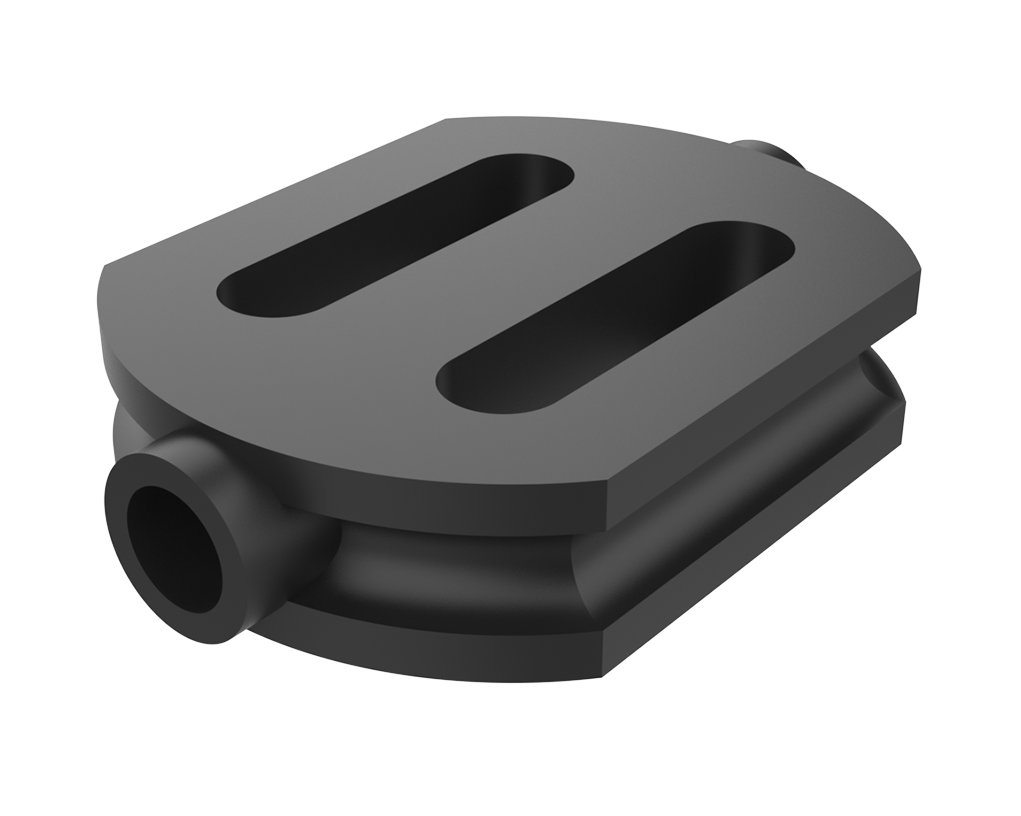
Create a Slotted Foot Peg Mount to practice designing support components with adjustable mounting features. This exercise emphasizes extrude, cut, slot, fillet, and hole operations, helping you model parts that allow positional adjustments and secure attachment in mechanical assemblies.
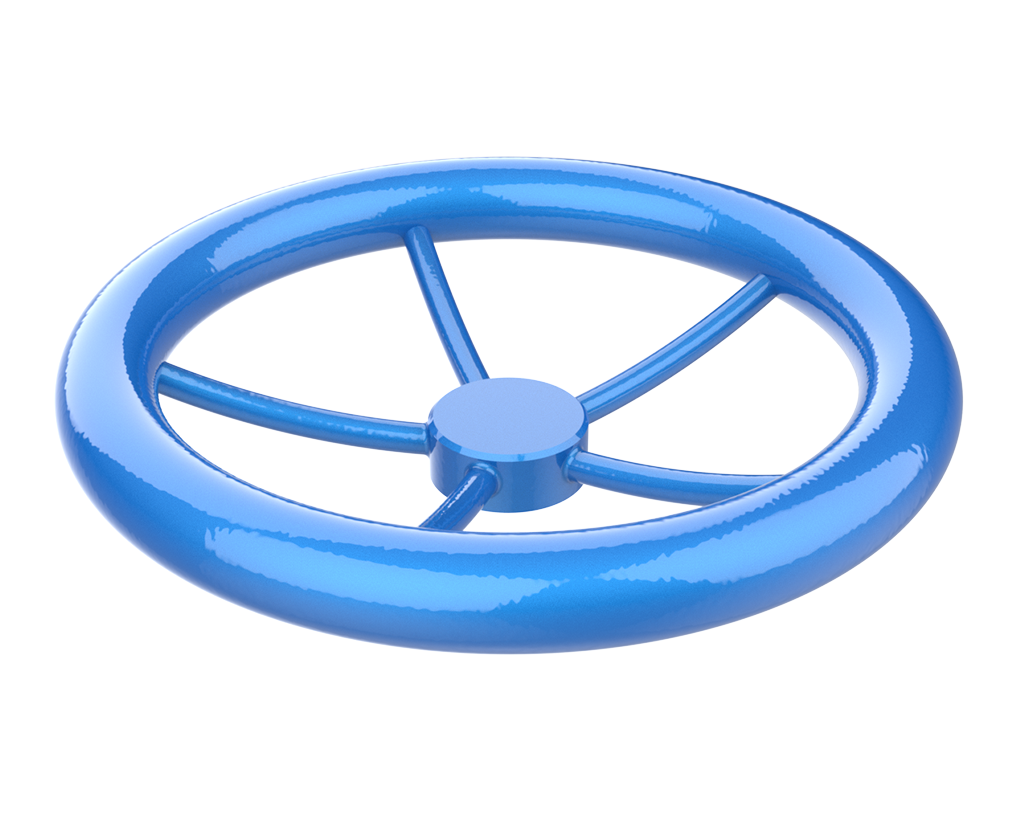
Design a Spoked Valve Handwheel to practice modeling rotary control components with symmetric spokes. This exercise focuses on extrude, revolve, cut, and pattern features, helping you understand the design of ergonomic hand-operated parts used for controlling valves or similar mechanisms.
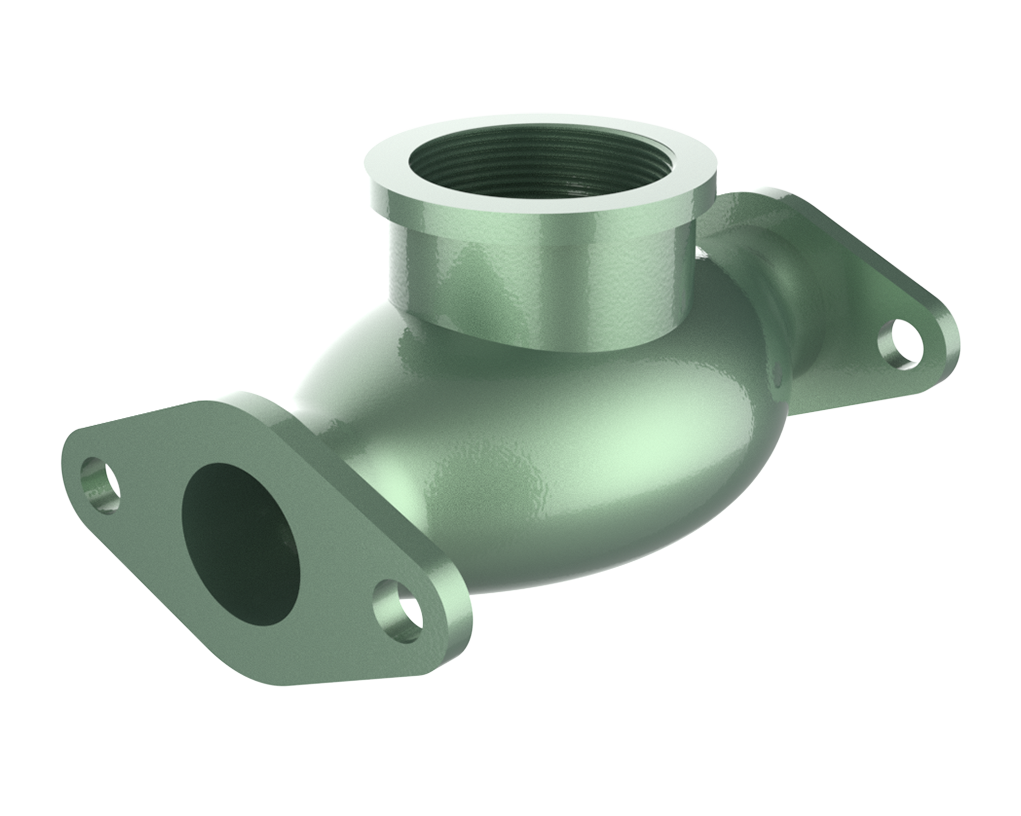
Model a Threaded Branch Flanged Tee to practice designing piping components with multiple connections. This exercise emphasizes extrude, revolve, cut, hole, and threading features, helping you create parts that join pipes securely while accommodating flanged and threaded interfaces.
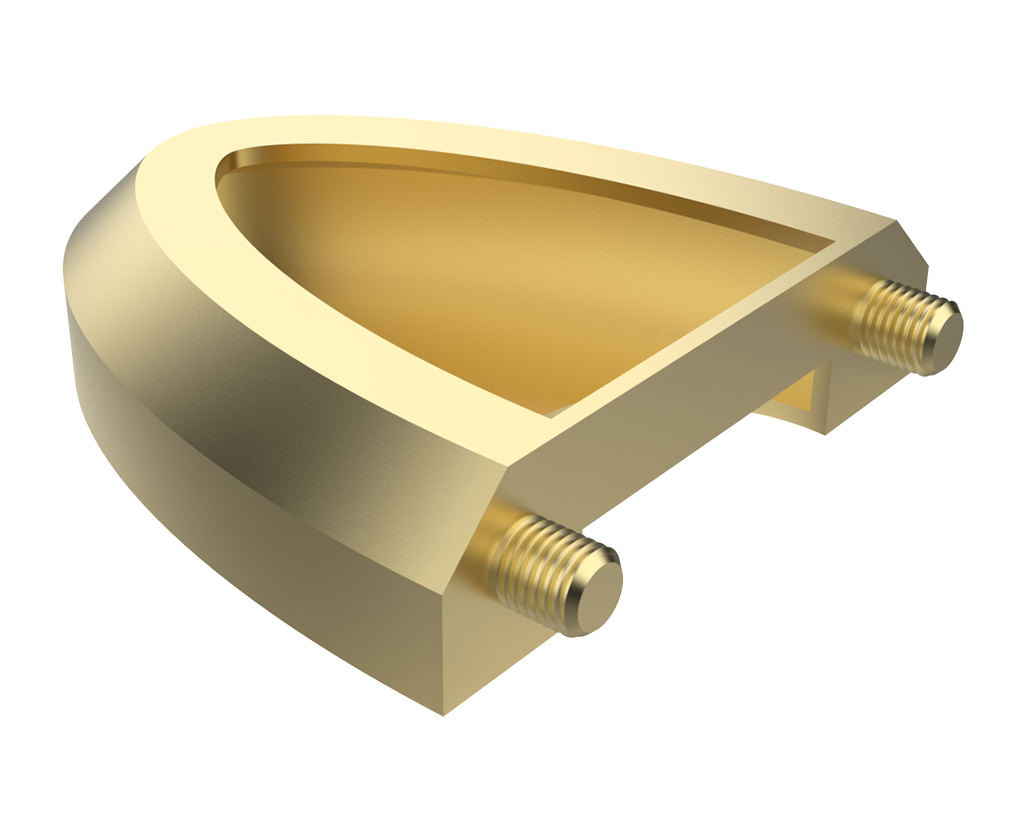
Design a Threaded U-Clamp Bracket to practice creating clamping components with threaded features. This exercise focuses on extrude, cut, hole, fillet, and thread operations, helping you model parts used for securing pipes, rods, or other cylindrical components in assemblies.
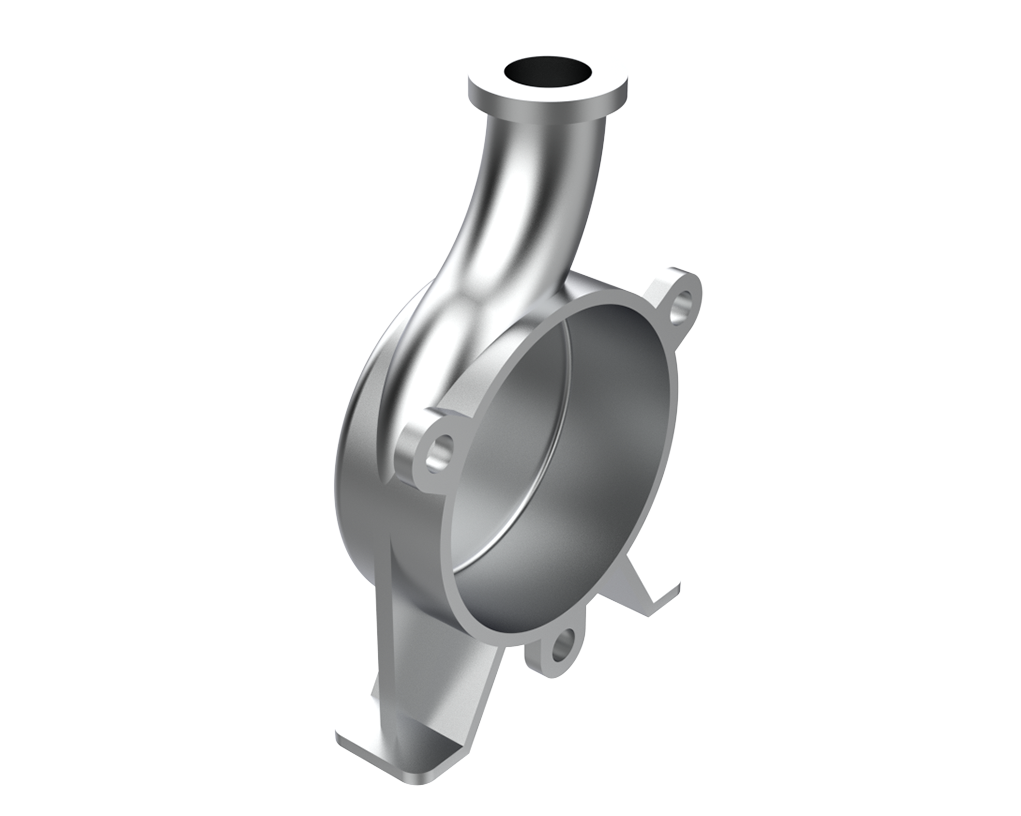
Create a Water Pump Housing to practice designing enclosure components for fluid-handling systems. This exercise emphasizes extrude, cut, shell, fillet, and hole features, helping you model parts that protect and support internal pump mechanisms while providing proper mounting and fluid flow pathways.
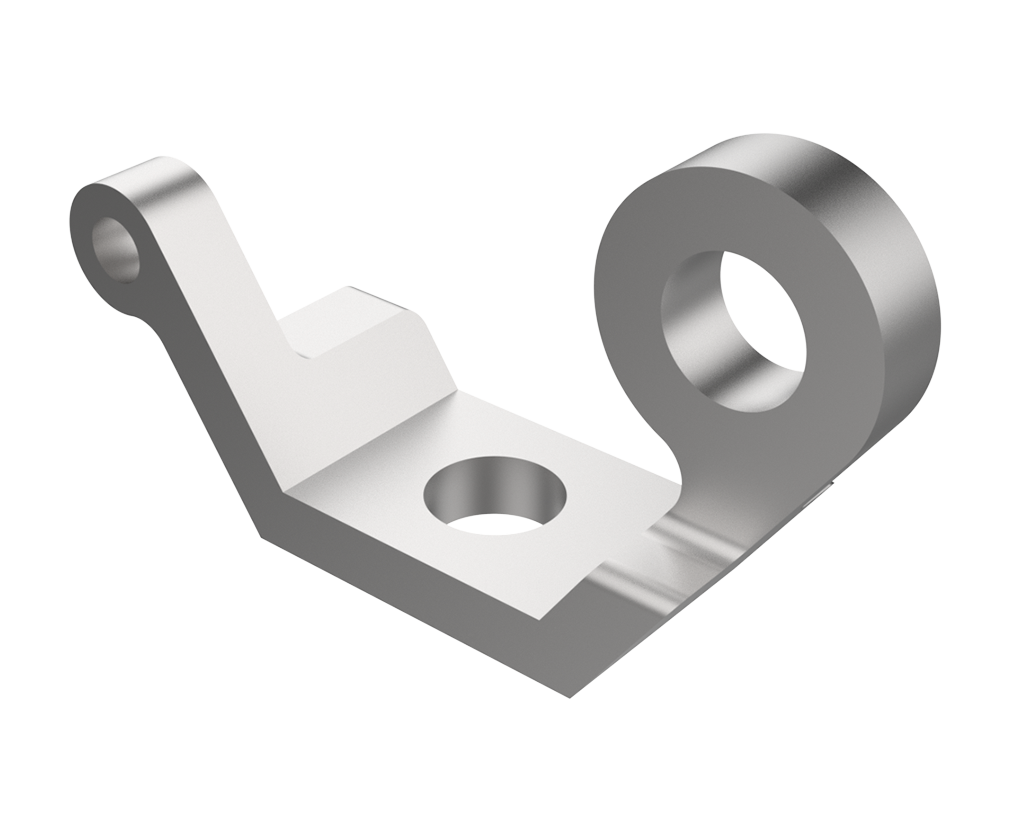
Design a Linkage Mounting Bracket to practice creating mechanical support components for linkages and moving parts. This exercise focuses on extrude, cut, hole, fillet, and chamfer features, helping you understand how to design parts that provide secure attachment while allowing precise motion in assemblies.
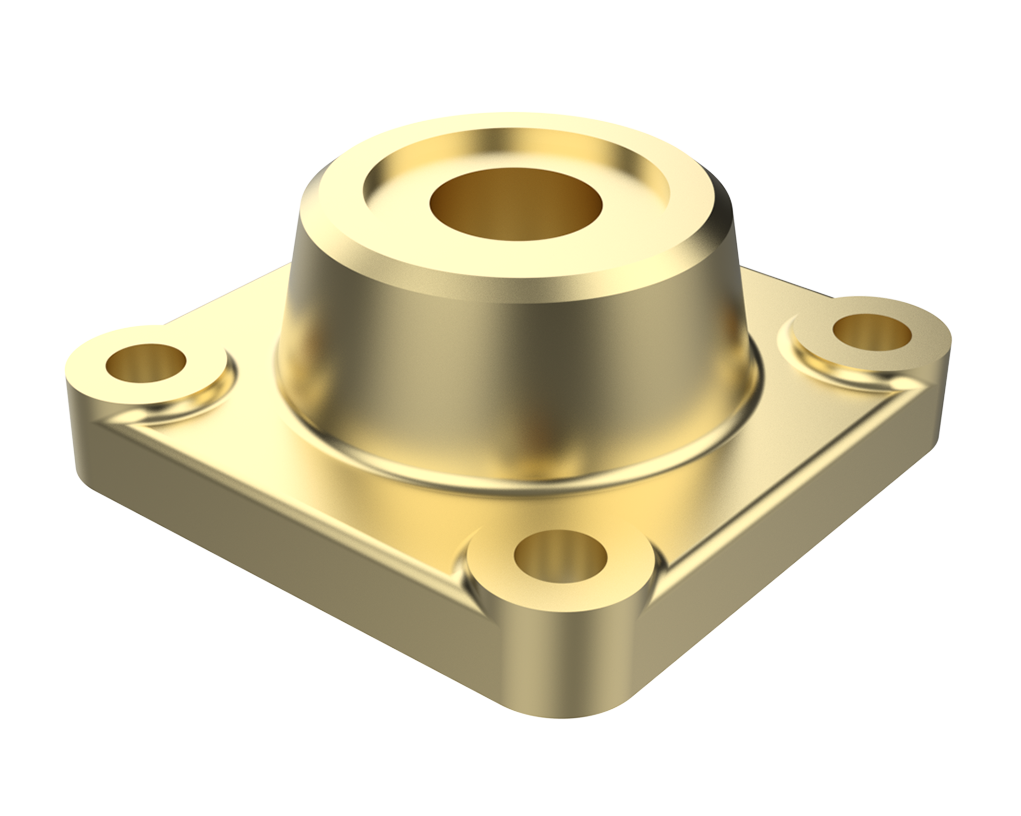
Create a Square Flange Housing to practice designing enclosure components with flange interfaces. This exercise emphasizes extrude, cut, fillet, and hole features, helping you model parts that provide structural support and secure mounting for mechanical assemblies.
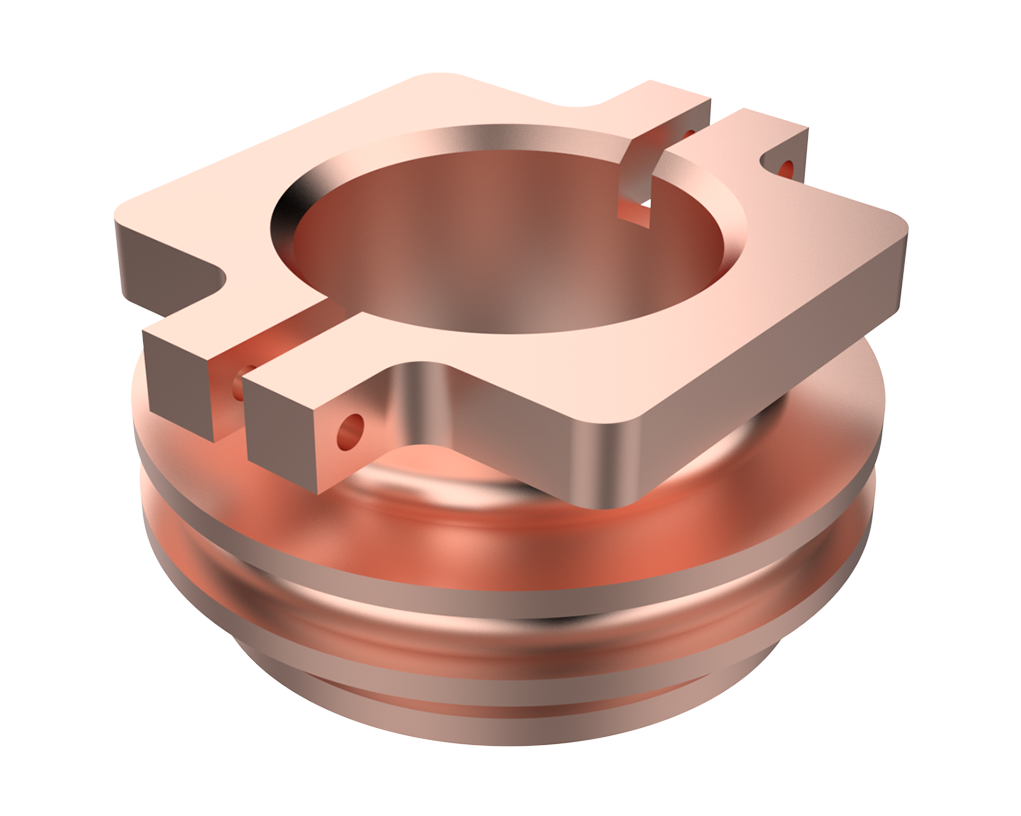
Create a Threaded Bearing Locknut commonly used to secure bearings onto shafts in mechanical assemblies. This exercise helps you practice precision threading, chamfers, internal/external diameters, grooves, and tolerance-focused features, strengthening your skills in modeling small but highly engineered mechanical fasteners.
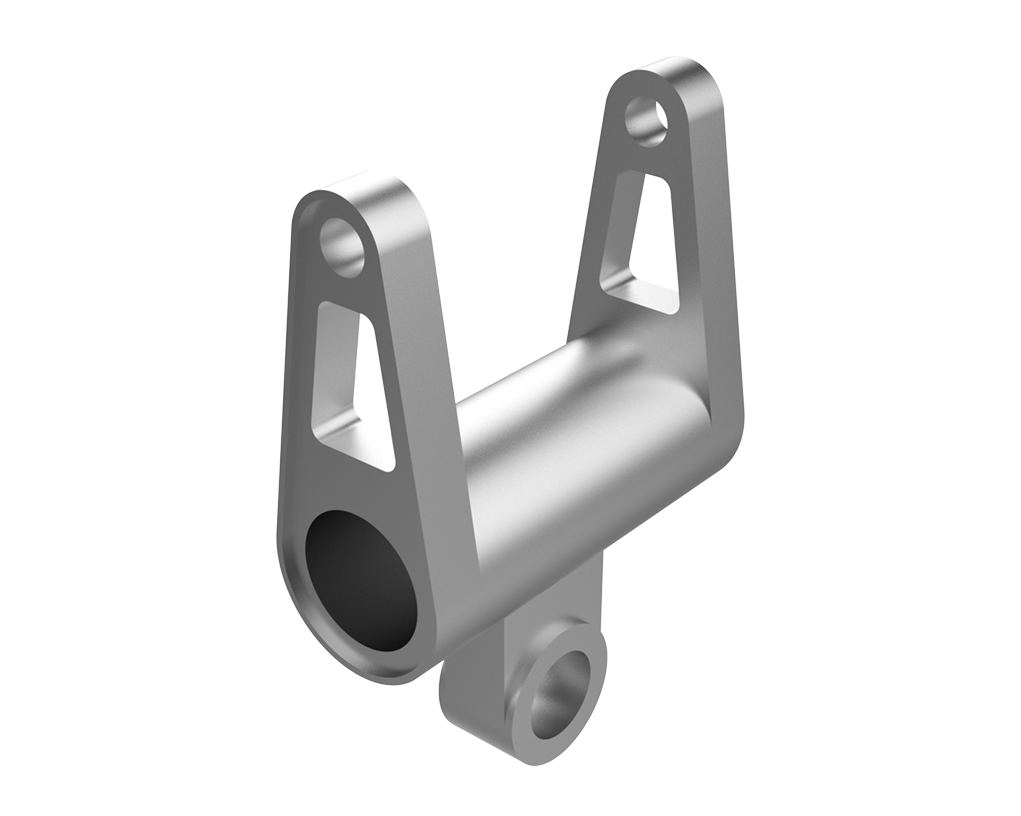
Model a Tubular Clevis Bracket designed for linkage and joint applications where rotational or pivoting motion is required. This exercise focuses on creating cylindrical bodies, forked ends, precise slot cuts, mounting holes, and symmetry-based features, helping you strengthen your skills in designing robust mechanical connection components.
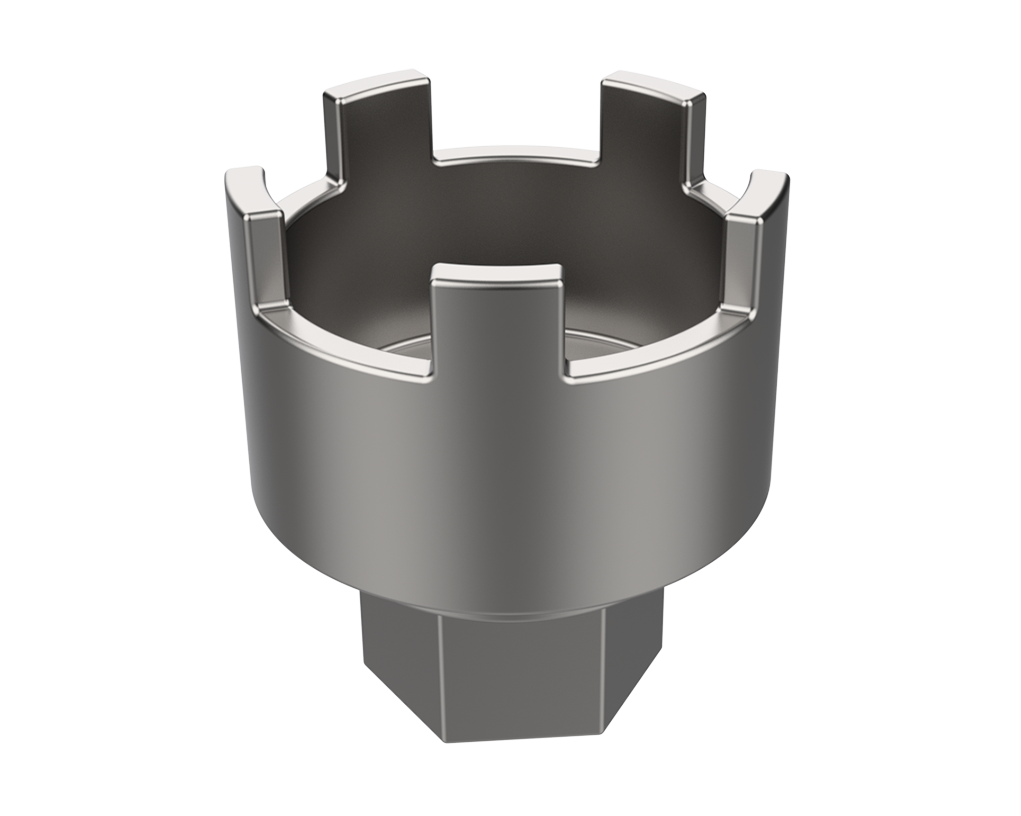
Design a Castle Nut Socket used for tightening and loosening castellated nuts in mechanical systems. This exercise helps you practice cylindrical modeling, internal profiles, slot features, chamfers, and functional tool geometry, improving your ability to create precise, tool-based mechanical components.
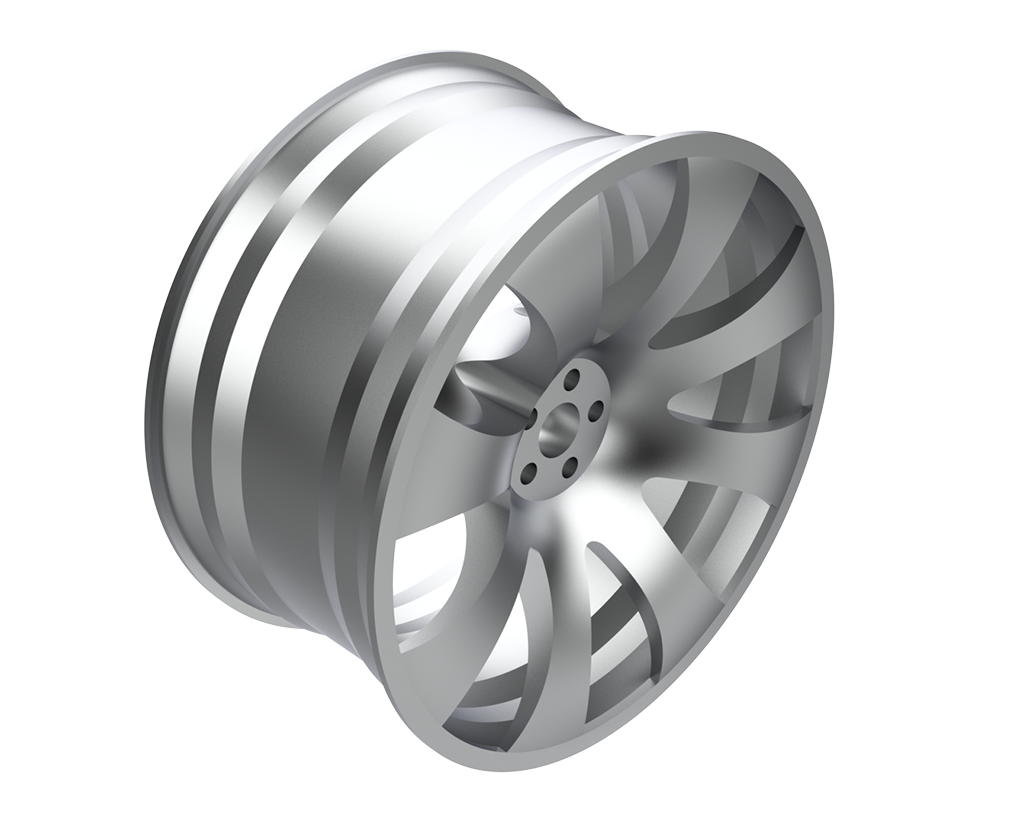
Create a Wheel Rim featuring a combination of curved surfaces, spoke patterns, fillets, and circular symmetry. This exercise helps you practice revolve features, multi-body modeling, pattern creation, cutouts, and detailed surface transitions, giving you hands-on experience in designing aesthetic yet functional automotive-style components.
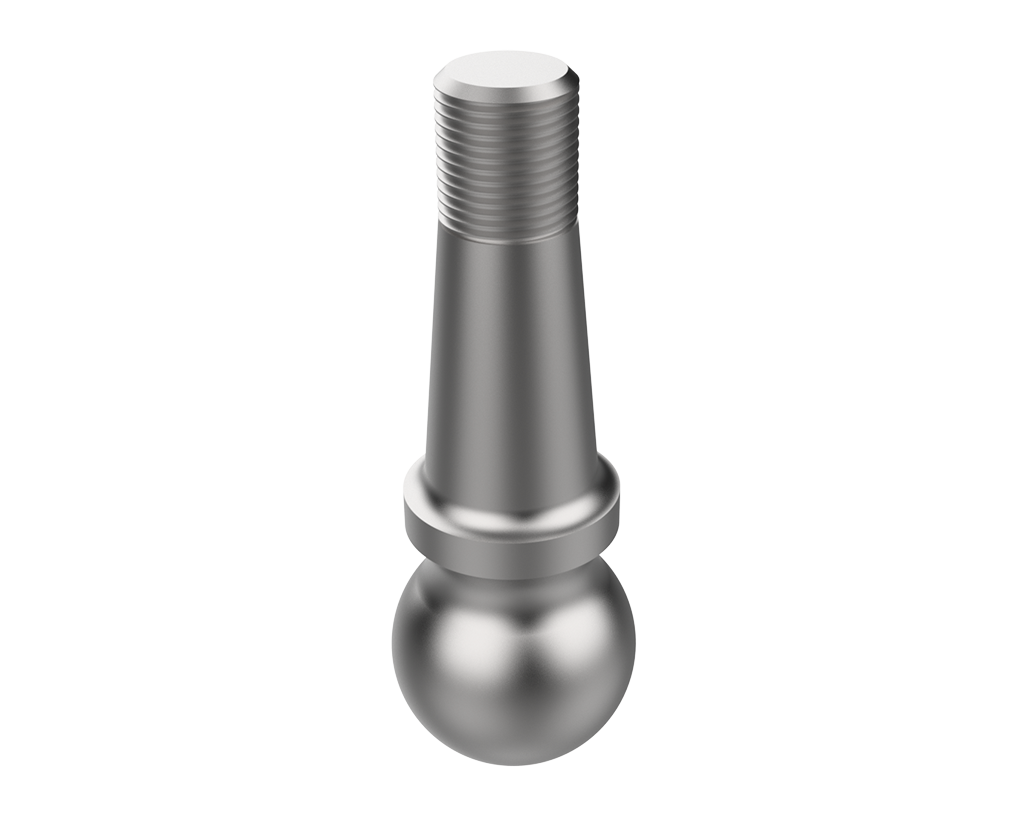
Model a Ball Stud, a key component used in ball joints, linkages, and automotive suspension systems. This exercise focuses on creating spherical geometry, precision shafts, fillets, chamfers, and thread features, helping you gain confidence in designing small, high-precision mechanical connection parts.

Design a Control Arm, a crucial suspension component used to connect the wheel hub to the vehicle frame while allowing controlled motion. This exercise helps you practice complex solid geometry, rib features, thickness variations, fillets, symmetry, and mounting point design, giving you experience in modeling real-world mechanical parts with structural and functional importance.

Model a Female Branch Tee, a common piping component used to split or redirect fluid flow while providing threaded female connections. This exercise helps you practice creating intersecting cylindrical bodies, adding threaded regions, applying fillets, designing branch offsets, and ensuring symmetry, giving you valuable experience in modeling practical pipe-fitting components used in industrial systems.

Create a Cable Tie Mount Base designed to secure wires and cables in electrical or mechanical assemblies. This exercise helps you practice boss extrusions, recessed pockets, fillets, corner radii, mounting holes, and symmetry, improving your ability to model small but highly functional components used for cable management and fixture support.
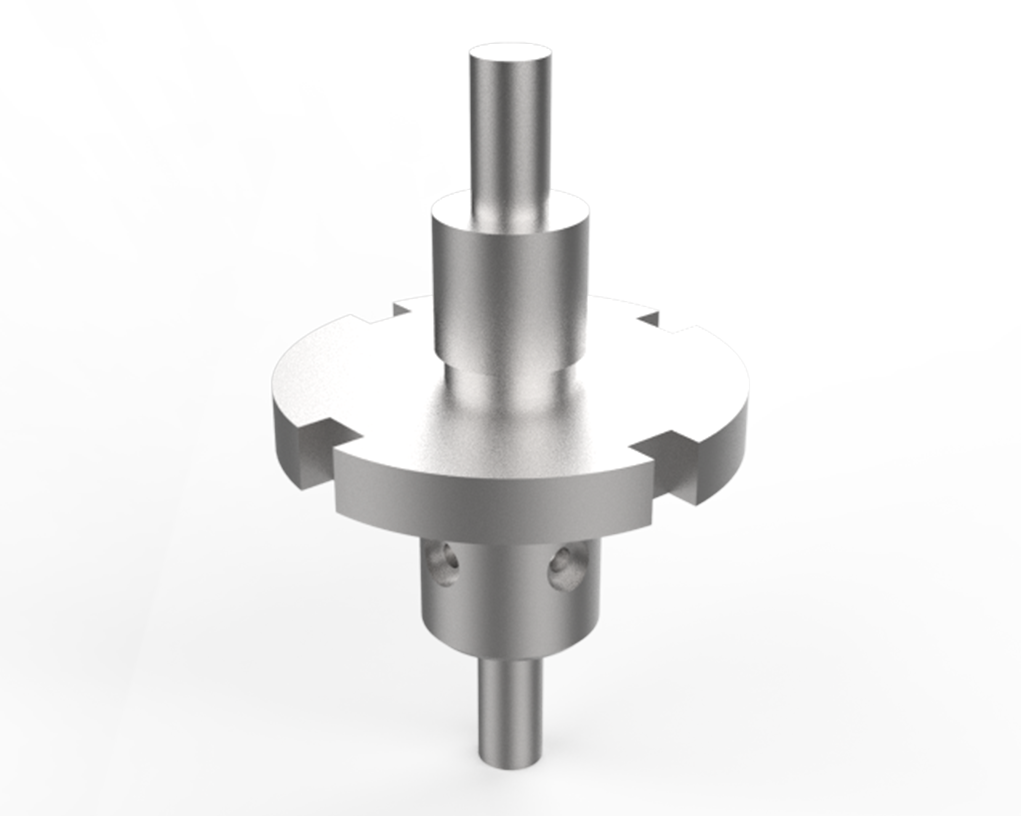
Model a Slotted Shaft Coupling used to connect two shafts while allowing slight misalignment and flexibility. This exercise focuses on cylindrical modeling, axial slots, keyways, cut features, chamfers, and precise symmetry, helping you strengthen your skills in designing practical power-transmission components used in mechanical assemblies.
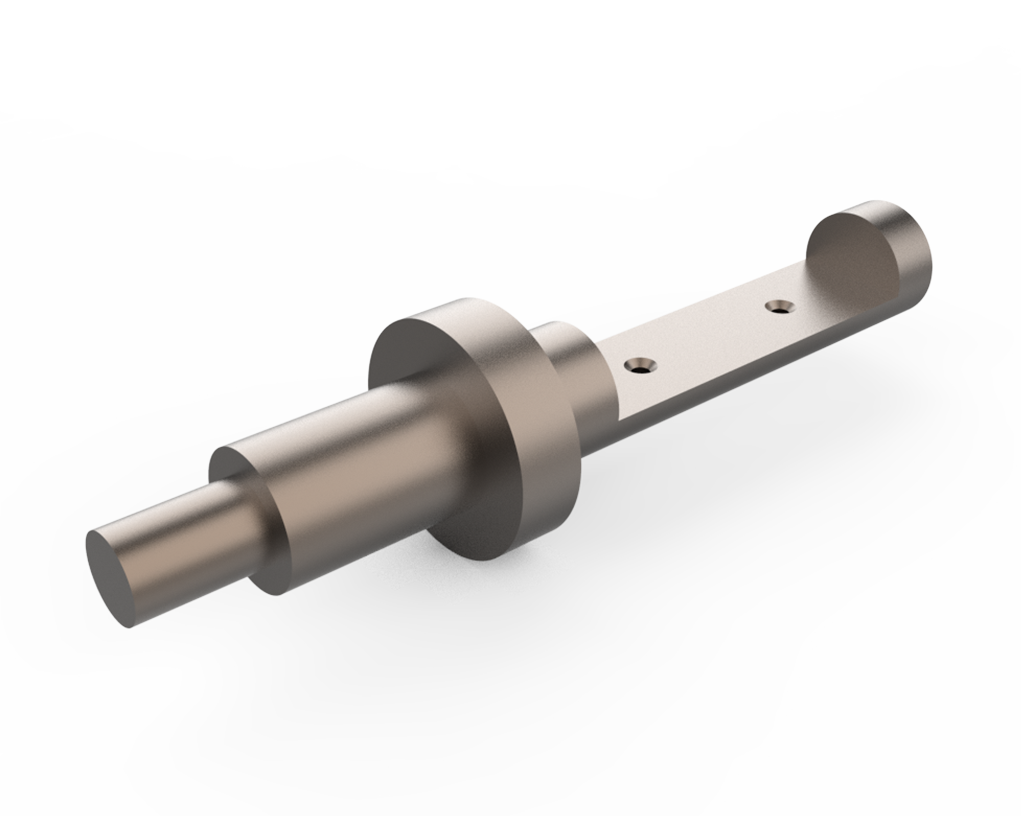
Design a Lever Arm with Shaft, a component commonly used in linkage systems, actuators, and mechanical control mechanisms. This exercise helps you practice shaft creation, boss and arm profiling, pivot holes, fillets, and maintaining proper alignment between connected features, giving you hands-on experience in modeling functional lever-based mechanical parts.
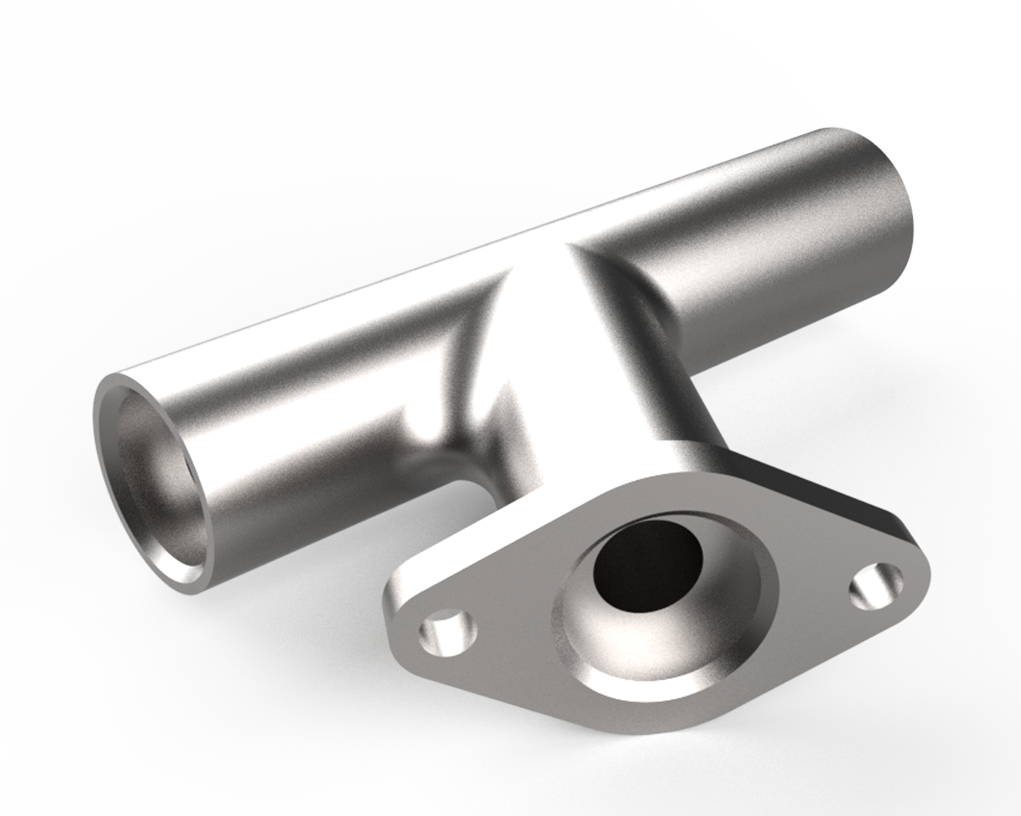
Create a Flanged Branch Connector, a piping component used to divert flow from a main line while providing secure, bolted flange connections. This exercise helps you practice creating intersecting pipe sections, flange geometry, bolt-hole patterns, fillets, and alignment features, strengthening your skills in modeling industrial fluid-handling components with precision and symmetry.
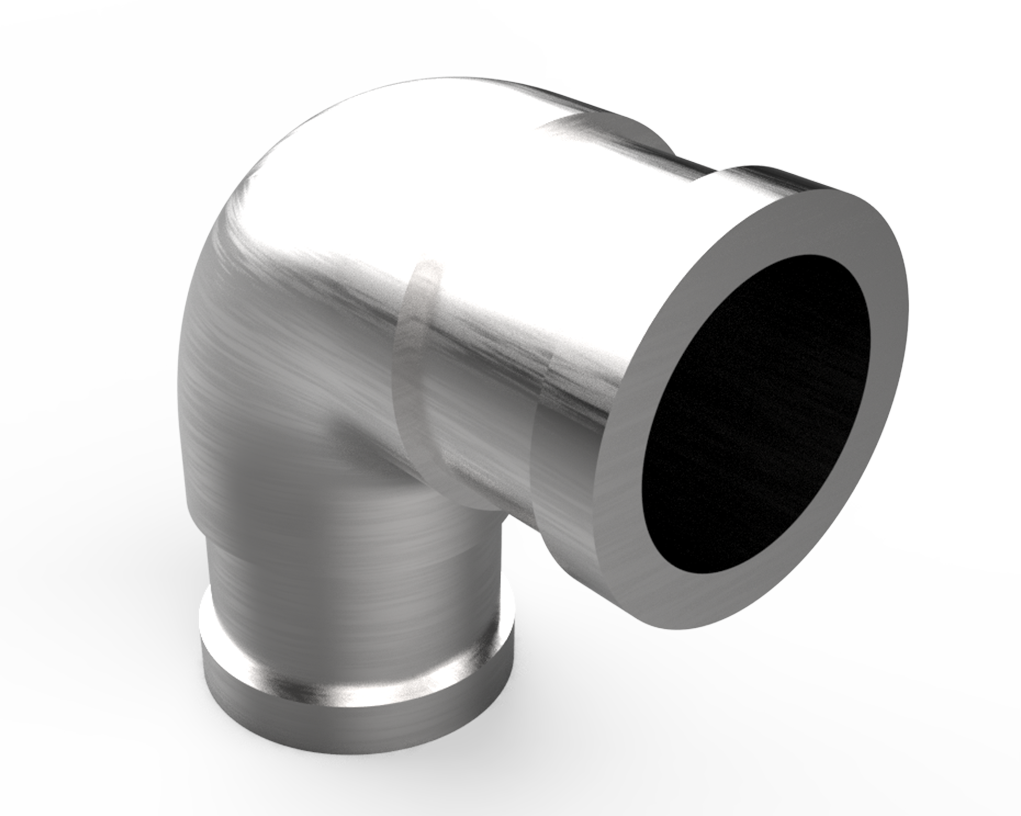
Model a 90-Degree Pipe Elbow, a standard piping component used to change the direction of fluid flow in mechanical and industrial systems. This exercise helps you practice sweep paths, circular profiles, wall thickness, fillets, and end-connection geometry, giving you valuable experience in creating curved, flow-efficient pipe fittings with precise dimensional control.
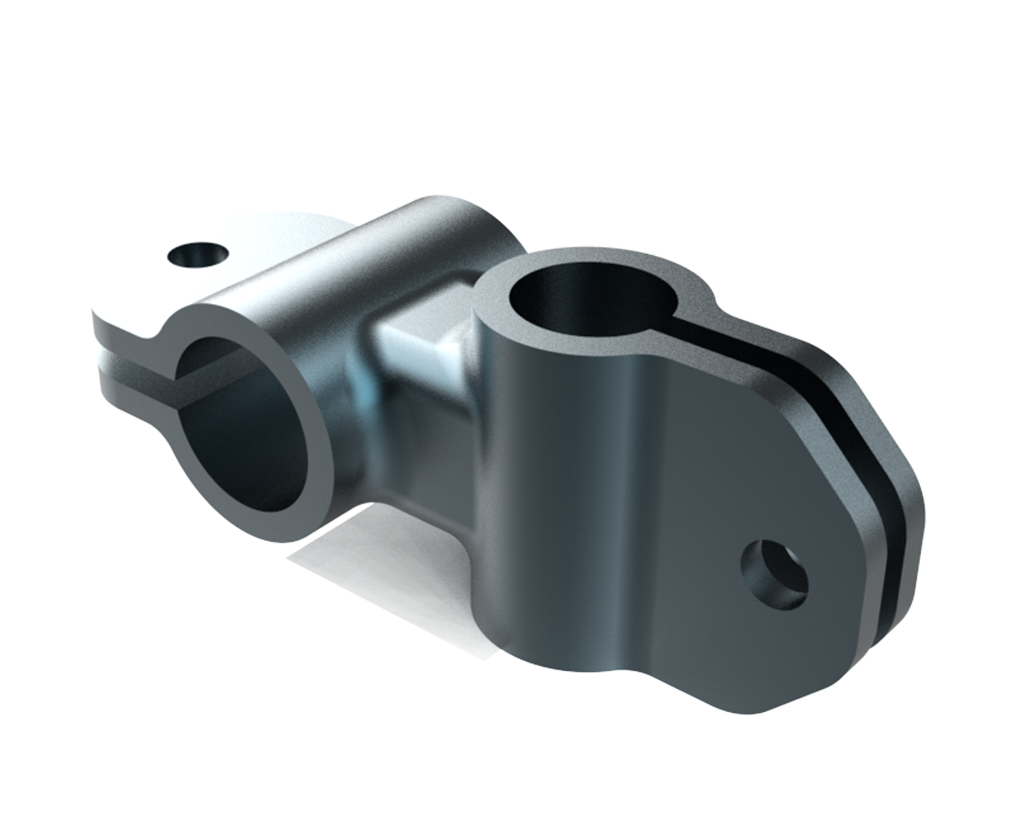
Design a Mounting Clevis, a common mechanical linkage component used to secure rods, pins, and actuating arms. This exercise helps you practice forked-end geometry, precise slot creation, hole alignment, fillets, and symmetry-based modeling, strengthening your ability to create robust connection parts used in assemblies and motion-control mechanisms.

Your information will never be shared with any third party